

Practice Guidance & Local Pet Care
Why Consistency Matters in Veterinary Care
Consistent veterinary care helps build familiarity with your pet’s health, behavior, and individual needs while supporting more comfortable visits and informed decisions.

Home » Why Consistency Matters in Veterinary Care
Every pet is different. Some are comfortable meeting new people, while others need extra time and patience. Some have extensive medical histories that require closer attention, while others may be more simple and straight forward.
These differences are one reason consistency matters in veterinary care.
When a veterinary team becomes familiar with a pet over time, each visit builds on what is already known. Medical history, changes in behavior, previous treatments, and even personal preferences can guide future care.
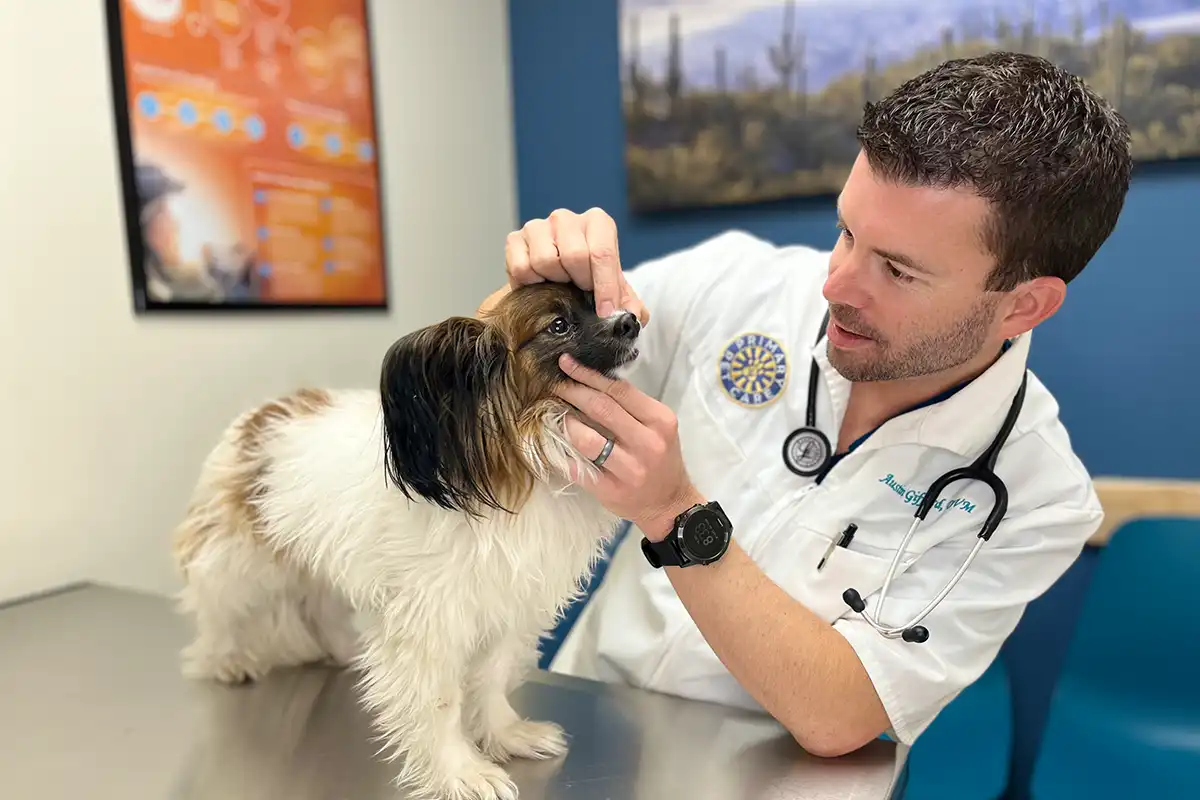
At Primary Pet Care, Dr. Austin Gifford values the opportunity to develop these relationships with pets and their families. For him, continuity is about more than maintaining medical records. It’s about understanding the individual patient and helping owners feel informed and comfortable with the care their pets receive.
Routine veterinary visits provide more than a snapshot of a pet’s health on a particular day. Over time, they can help establish a clearer picture of what is normal for that individual animal.
Veterinarians monitor changes in weight, behavior, vital signs, physical examination findings, and laboratory results. When this information is considered alongside previous visits, patterns become easier to recognize.
Dr. Gifford explains that some pets naturally have certain measurements that differ slightly from typical reference ranges. For example, an individual animal may consistently have a somewhat higher temperature or a particular laboratory value that runs above the usual range.
Without that history, a result might raise questions that require further evaluation. When the veterinary team already understands the patient’s established patterns, that information can help guide decisions about whether additional testing is appropriate.
This doesn’t mean that changes should be ignored or that familiar results never require investigation. Rather, an established medical history provides valuable context for evaluating each pet’s health.
Consistency also matters in ways that have little to do with laboratory results or medical diagnoses.
Every pet responds differently to the veterinary environment. Some dogs happily accept treats and attention, while others prefer to remain close to their owners. Certain pets may be more comfortable with particular handling approaches, and some need time to adjust before an examination begins.
At Primary Pet Care, the team documents individual preferences and observations in patient records so that this information can be considered during future visits.
Dr. Gifford notes that some pets enjoy treats, some prefer sitting beside their owners, and others are most comfortable when given space until an examination is necessary.
These details may seem small, but they can make a meaningful difference.
When veterinary team members understand what helps a particular pet feel comfortable, they can approach the appointment with greater awareness of that animal’s needs.
Continuity of care isn’t only about remembering medical information. It’s also about remembering the patient.
Veterinary practices rely on people with different responsibilities, including veterinarians, technicians, assistants, and client service professionals.
A pet may interact with different team members from one appointment to the next. That doesn’t necessarily mean the care experience must begin from scratch each time.
Thoughtful documentation and communication help maintain continuity across visits.
When observations about a pet’s behavior, comfort preferences, and medical history are recorded and available to the care team, that knowledge can inform future interactions.
At Primary Pet Care, this attention to individual patient needs is part of the practice’s relationship-driven approach.
Dr. Gifford and the team recognize that every pet and owner brings different experiences, expectations, and concerns to an appointment. Understanding those differences helps the practice provide more personalized care.
You can meet the Primary Pet Care team and learn more about the people behind this approach to veterinary medicine.
Long-term relationships can also make conversations about veterinary care more productive.
As a veterinarian becomes familiar with a pet’s history and an owner’s concerns, there may be less need to revisit the same background information at every appointment. That familiarity can help support more focused discussions about current symptoms, treatment options, and next steps.
For Dr. Gifford, an important part of veterinary medicine is helping owners understand the choices available to them.
He believes in discussing practical options, from comprehensive diagnostic and treatment approaches to more basic plans when appropriate.
Rather than pressuring owners toward a particular decision, his goal is to explain the available options so families can make informed choices based on their pet’s needs and personal circumstances.
These conversations sometimes take additional time, but they are an important part of building confidence in the care process.
When pet owners understand the reasoning behind a recommendation, they are better equipped to participate in decisions about their pet’s health.
One of the most rewarding parts of veterinary medicine is watching animals grow and change.
A veterinarian may first meet a pet as an energetic puppy or curious kitten, then continue providing care as that animal matures and eventually enters its senior years.
Health needs naturally change throughout that journey.
Young pets require attention to early development and preventive care. Adult pets benefit from ongoing health monitoring, while senior animals may need closer evaluation of mobility, comfort, and age-related changes.
A veterinary team familiar with a pet’s earlier health history has additional context when evaluating new concerns later in life.
Dr. Gifford particularly enjoys following pets from their earliest visits through their senior years. He also values getting to know the families who care for them and seeing how those families change over time.
These ongoing relationships are part of what makes veterinary care personally meaningful.
Consistency in veterinary care can also create opportunities for education.
Over repeated visits, owners can become more familiar with their pet’s health needs, preventive recommendations, and the reasons certain treatments or tests may be suggested.
Dr. Gifford wants Primary Pet Care clients to understand not only what care their pets are receiving, but why that care matters.
His goal is to help families become more knowledgeable and confident as they make decisions throughout their pets’ lives.
This educational approach supports a relationship in which owners feel comfortable asking questions, discussing concerns, and participating in decisions.
Veterinary care works best when medical knowledge and an owner’s understanding of their individual pet come together.
Consistency in veterinary care isn’t about expecting every appointment to be identical. It’s about allowing each visit to contribute to a better understanding of the pet and the family caring for them.
Familiarity with medical history, awareness of individual preferences, thoughtful communication, and practical guidance can all help make veterinary visits more productive and comfortable.
At Primary Pet Care, Dr. Austin Gifford and his team value the relationships they develop with pets and their owners. Their approach emphasizes understanding each patient, explaining care options, and helping families make informed decisions.
Whether you’re bringing home a new pet or looking for an ongoing veterinary relationship, getting to know the people behind your pet’s care is an important place to start.
Explore Our Team to learn more about Primary Pet Care’s approach, or visit our Schedule Appointment page when you’re ready to arrange a visit.
Consistent veterinary care helps build familiarity with your pet’s health, behavior, and individual needs while supporting more comfortable visits and informed decisions.

See why trust, preventive care, communication, and familiarity with your pet’s health can strengthen a long-term relationship with your veterinary team.
Get prepared for your first visit with practical guidance on records, medications, appointment expectations, and how Primary Pet Care approaches new patient care.